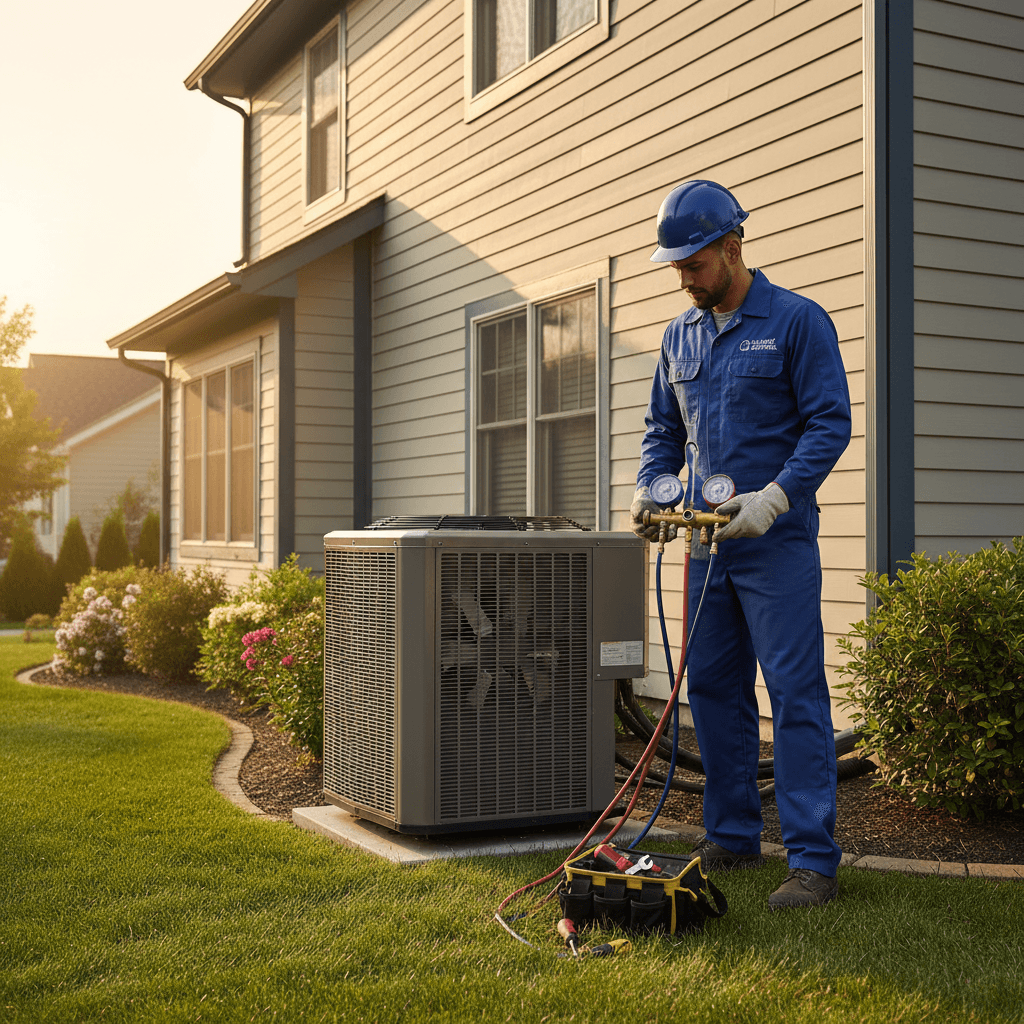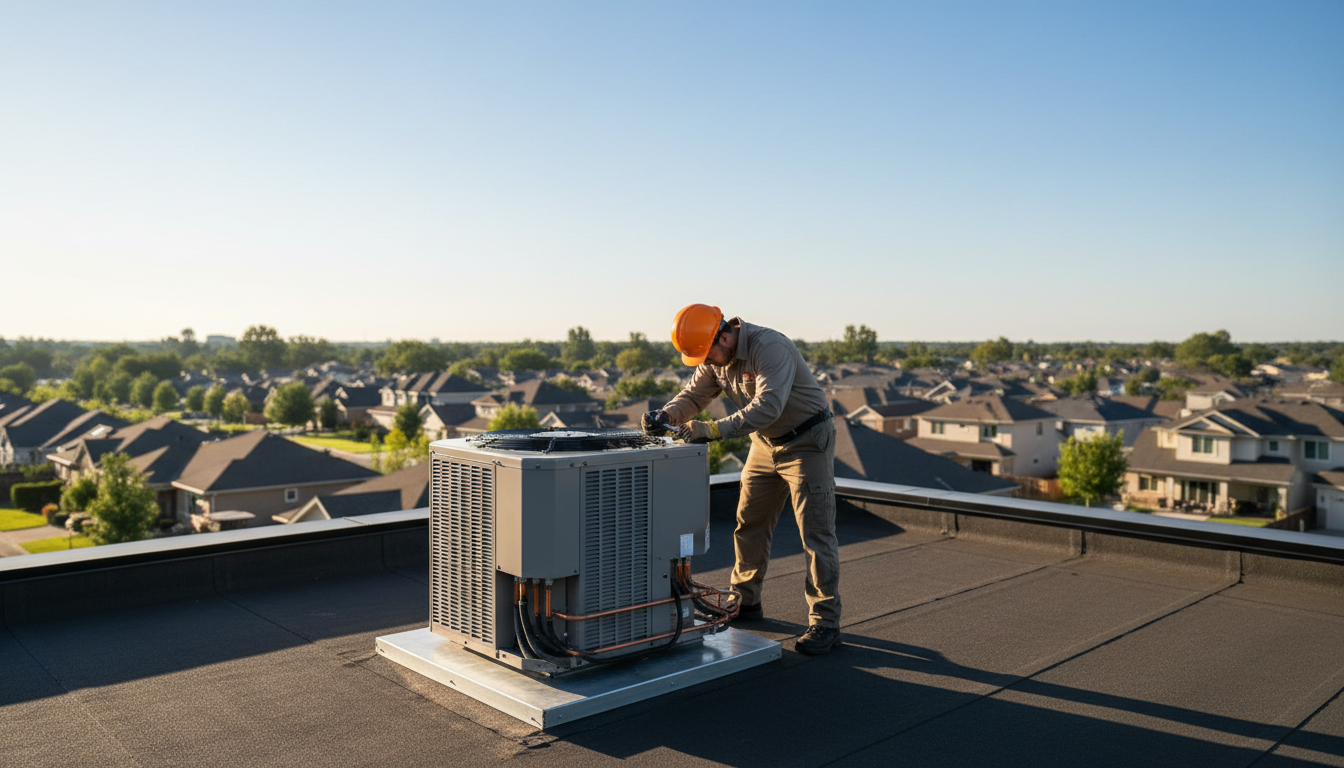
Common causes for a heater not working include clogged air filters, thermostat malfunctions, and electrical failures; these issues often necessitate professional heating repair Glendale CA to restore home comfort. Homeowners should contact a technician if their system makes unusual noises, fails to ignite, or blows cold air despite basic troubleshooting efforts.
Waking up to a freezing home during a Glendale cold snap is more than just an inconvenience; it is a direct disruption to your family's comfort and safety. Whether your furnace is emitting a concerning screeching sound or simply refusing to cycle on, ignoring these early warning signs can lead to costly emergency repairs or dangerous mechanical failures. In this guide, we will examine the most frequent heating issues facing local homeowners, from pilot light malfunctions to the impact of regional dust on your internal airflow. You will also learn how to decode strange unit noises, apply the 5000 and 20 rules for replacement decisions, and recognize the critical moment when a malfunctioning heater transitions from a minor nuisance into a serious fire hazard.
Why Is My Heater Not Working? A Quick Troubleshooting Guide for Glendale Homeowners
When the temperature drops unexpectedly in Glendale, it usually happens fast. Homeowners in neighborhoods like Rossmoyne or Adams Hill often rely on older heating systems that may struggle to kick on after months of sitting idle. Before you assume you need a major heating repair in Glendale, CA, start with the most basic external components.
The thermostat is the most common point of failure for simple fixes. Ensure the setting is toggled to Heat rather than Cool or Off. If the screen is blank or flashing a low battery icon, replace the batteries immediately. A weak battery can prevent the thermostat from sending a signal to the furnace, causing a system-wide failure that mimics a mechanical breakdown. Additionally, check the fan setting. Setting it to Auto ensures the blower only runs when the air is actually being heated, preventing cold drafts.
Next, investigate your home’s electrical panel. It is surprisingly common for a furnace or heat pump to trip a circuit breaker during a sudden cold snap when the system is under maximum strain. If the breaker has flipped to the off or neutral position, reset it once. If it trips again, you likely have an electrical fault that requires HVAC system diagnostics to identify the root cause.
While these steps are safe for any homeowner, do not attempt to open the furnace cabinet or manipulate internal wiring yourself. Dealing with high-voltage electricity or gas lines requires professional expertise. If these basic checks do not restore heat, it is time to call for emergency heating repair to avoid safety risks.
Common Furnace Pilot Light Issues: Why It Won't Stay Lit
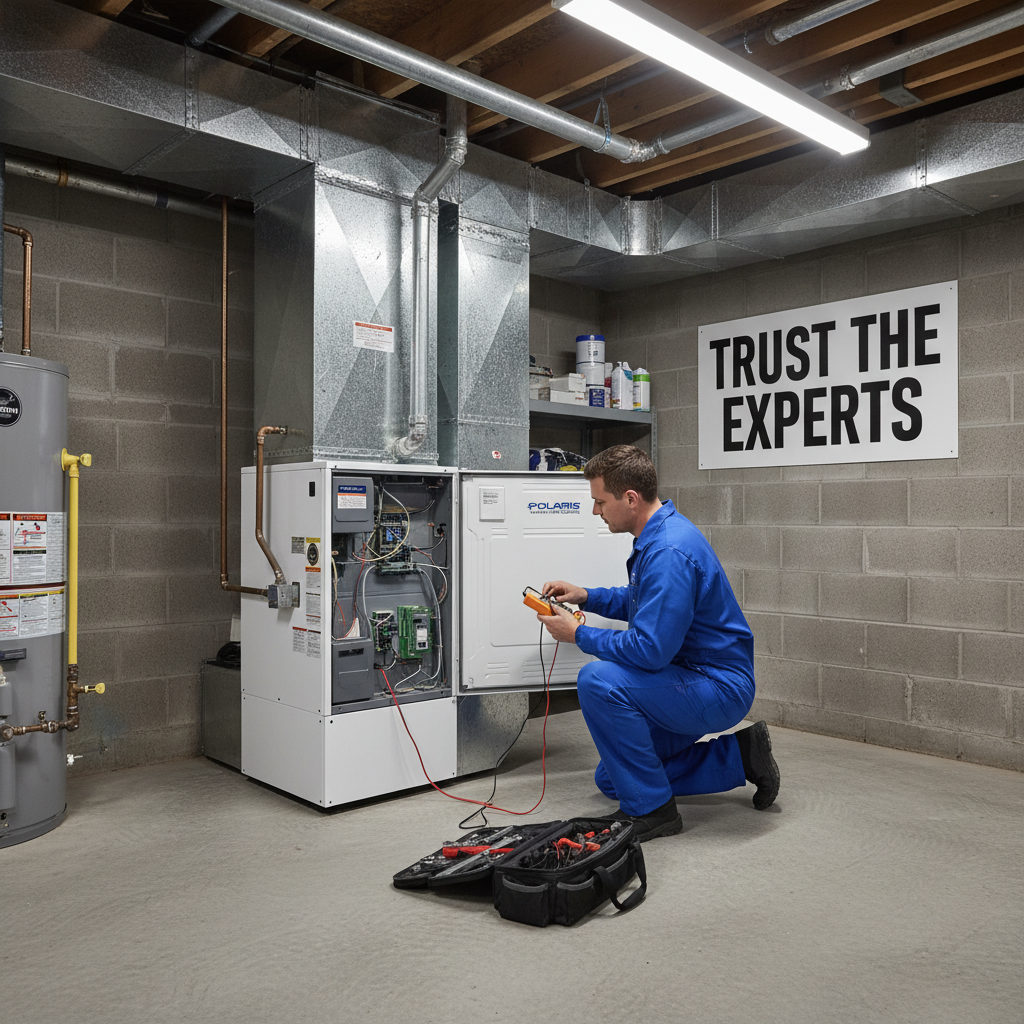
If your electrical checks do not reveal the problem and you own an older gas furnace, the pilot light is the most likely culprit. Most of these systems rely on a thermocouple, which is a small metal rod that serves as a vital safety gatekeeper. The thermocouple is designed to detect the heat of the pilot flame. If the flame goes out, the sensor cools down and signals the gas valve to snap shut, preventing your home from filling with dangerous, unburned gas.
You can often diagnose a failing thermocouple by observing the lighting process. If you hold down the reset button and the pilot ignites, but the flame immediately clicks off the moment you release the button, the thermocouple is likely the issue. This happens because the component is no longer sending the necessary electrical signal to keep the gas valve open.
There are three primary reasons a pilot light refuses to stay lit in our local area:
Dirty or Oxidized Thermocouple: Over years of use, soot and carbon buildup can coat the sensor. This layer of grime acts as insulation, preventing the thermocouple from "feeling" the heat of the flame even when it is burning brightly.
Clogged Pilot Tube: Small amounts of dust or even spider webs can restrict the tiny tube that feeds gas to the pilot. This creates a weak, flickering flame that is too small to properly engulf the thermocouple rod.
Internal Drafts: Many older, character-rich homes in Glendale lack modern insulation in basements or utility closets. A sudden gust of wind can easily blow out a pilot light if the furnace cabinet is not properly sealed.
Handling gas lines and ignition components requires precision and specialized tools. If your pilot light will not stay lit after one or two attempts, avoid further DIY efforts. A professional heating repair in Glendale, CA is necessary to verify that your gas valve is functioning correctly and that there are no leaks. Scheduling HVAC system diagnostics ensures that your furnace is safe to operate for the remainder of the season.
Strange Furnace Noises: What Banging, Whistling, and Screeching Mean
A functioning furnace should operate with a consistent, low hum. If you start hearing sharp or mechanical sounds, your system is likely trying to signal a specific component failure. In Glendale, the windier months can exacerbate these issues by pushing extra dust and debris into intake vents, forcing the system to work harder and highlighting existing mechanical wear.
A loud, startling bang when the furnace kicks on is one of the most serious warning signs. This is typically caused by delayed ignition. If the burners are dirty or the gas pressure is incorrect, gas builds up in the combustion chamber before finally igniting. That mini explosion creates a pressure wave that can eventually crack your heat exchanger. A cracked heat exchanger is a critical safety failure that can lead to carbon monoxide leaks. If you hear this sound, you need HVAC system diagnostics immediately to verify the integrity of the combustion chamber.
Whistling or high pitched whining usually points to airflow restrictions. This occurs when the blower is trying to pull air through a space that is too small or blocked. It is often as simple as a heavily soiled filter or too many closed vents in unused rooms. However, in our local area, windblown silt from the nearby foothills can quickly clog external intakes, creating a vacuum effect that produces that unmistakable whistle. Ensuring all vents are open and the intake is clear is a good first step, but persistent whistling suggests the system is being starved of air.
Screeching, scraping, or metal on metal grinding sounds are strictly mechanical. These noises usually indicate that the bearings in your blower motor have worn out or that a fan belt has frayed and is whipping against the housing. Ignoring a screeching motor will eventually lead to a total seizure, often resulting in a much more expensive heating repair in Glendale, CA than if the bearings were addressed early.
Airflow and Filter Problems: The Impact of Glendale Dust and Debris
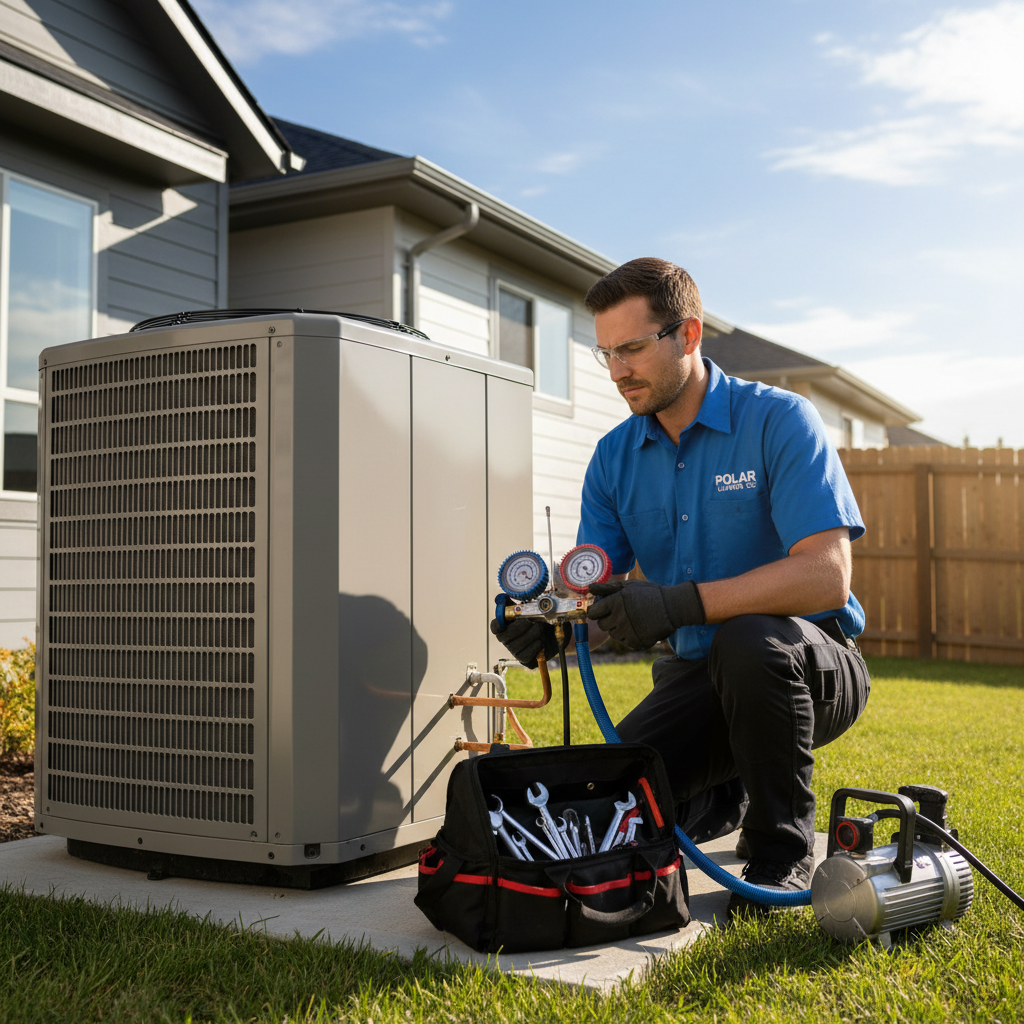
While mechanical failures often grab headlines, the most frequent reason a furnace fails in Glendale is actually environmental. Our proximity to the Verdugo Mountains means our homes are subject to high volumes of fine, silty dust, especially during windier months. When this debris settles into your air filter, it does more than just lower your indoor air quality; it creates a dangerous level of static pressure within the ventilation system.
If your heater turns on for a few seconds and then abruptly shuts off, it is likely "limiting out." Modern furnaces contain a high limit switch designed to prevent the heat exchanger from melting or cracking. When a clogged filter restricts airflow, the heat cannot be moved away from the burners fast enough. The internal temperature spikes, the safety switch trips, and the system shuts down to prevent a fire. This cycle of short cycling puts immense strain on your components and is the primary reason for premature system failure.
For most residential properties in the area, we recommend using a pleated filter with a MERV 8 to MERV 11 rating. While higher MERV ratings capture smaller particles, they can be too restrictive for older blowers found in many local homes. During the heating season, you should inspect your filter every 30 days and replace it at least every three months. If your system continues to cycle rapidly despite a clean filter, you likely need HVAC system diagnostics to check for ductwork obstructions or a faulty sensor. Addressing these airflow issues early prevents the need for an emergency heating repair during a cold snap and ensures your heating repair in Glendale, CA is handled before the heat exchanger sustains permanent damage.
When to Repair vs. Replace: Understanding the 5000 and 20 Rules
Deciding between a one-time fix and a full system replacement is often a matter of mathematics rather than guesswork. For homeowners facing frequent breakdowns, the $5000 Rule is a reliable industry benchmark. To apply it, multiply the age of your unit by the quoted price of the heating repair in Glendale, CA. If the result exceeds $5,000, a replacement is generally the more economical choice. For example, if a 12 year old furnace requires a $500 repair, the total is $6,000. This calculation suggests that your money is better spent on a new, warranted system rather than sinking funds into aging hardware.
The 20 Rule offers two additional thresholds for making this critical decision. First, if a furnace has reached 20 years of age, it is nearing the end of its mechanical life expectancy, and its efficiency has likely plummeted regardless of its current operational status. Second, if the cost of any single repair exceeds 50 percent of the price of a brand new installation, an upgrade is recommended. Investing half the value of a new unit into a machine that is decades old rarely provides long term reliability.
In neighborhoods across the city, many residences still utilize original HVAC units installed in the 1980s or 90s. These legacy systems typically operate at much lower Annual Fuel Utilization Efficiency (AFUE) ratings compared to modern standards. While these systems may still ignite, they are significantly less efficient than current high performance technology. Upgrading often leads to substantial reductions in monthly utility bills from SoCal Edison or Glendale Water and Power. If you are unsure which rule applies to your specific situation, scheduling HVAC system diagnostics can provide a clear picture of your equipment’s current condition, safety profile, and expected remaining lifespan.
The Dangers of a Dying Furnace: When It Becomes a Fire Hazard
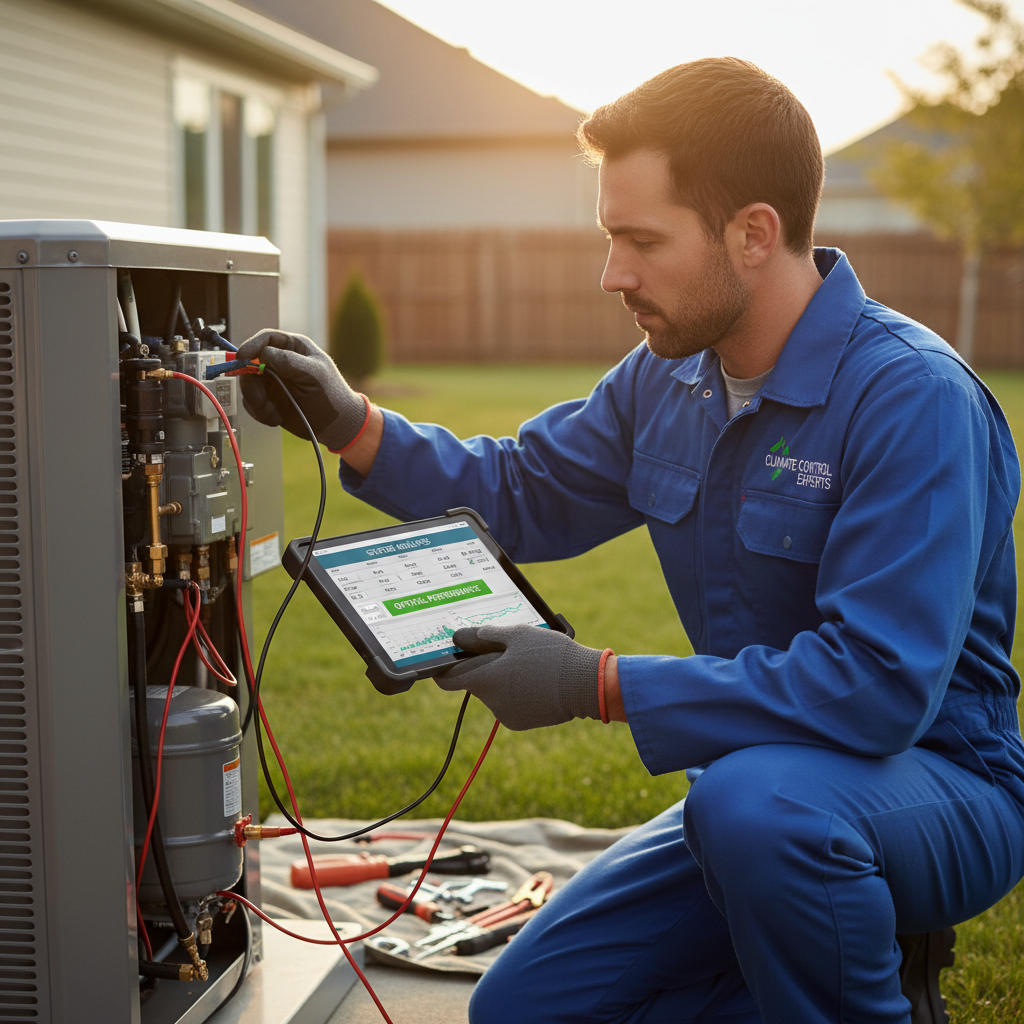
While the financial cost of keeping an old system is significant, the safety risks of an aging unit are far more critical. A common question homeowners ask is if a loud furnace is a fire hazard. The answer depends on the specific sound. Persistent buzzing or humming often points to failing electrical components or frayed internal wiring. Over time, constant vibration and heat can degrade wire insulation, leading to electrical arcing that can ignite nearby dust or household insulation.
A dying furnace also poses a severe risk of carbon monoxide poisoning. If the heat exchanger has sustained a hairline crack from years of expansion and contraction, this colorless and odorless gas can seep directly into your ductwork. This is why professional heating repair in Glendale, CA is not just about home comfort; it is a vital safety measure for your family.
Watch for these specific red flags that indicate your system has become a liability: - A yellow or flickering pilot flame instead of a steady, crisp blue flame. - Physical soot or dark staining around the furnace cabinet, indicating poor combustion. - The smell of rotten eggs or sulfur, which signals a dangerous gas leak. - An ozone or burning plastic scent, suggesting melting wire casings or a failing motor.
If you notice any of these signs, shut the system down at the breaker and request emergency heating repair immediately. These issues rarely stay minor and can quickly escalate into a household emergency without expert HVAC system diagnostics to identify the root cause.
Understanding the common causes of heater malfunctions can help you stay comfortable during the cooler Glendale nights. While some minor issues have simple fixes, more complex problems require specialized tools and knowledge to ensure your system operates safely. If you would prefer to have a professional handle the technical details, our team is ready to assist. You can schedule your Heating Repair with us today to restore warmth and efficiency to your home without the stress of troubleshooting on your own.